Cart
0
YOU MAY ALSO LIKE
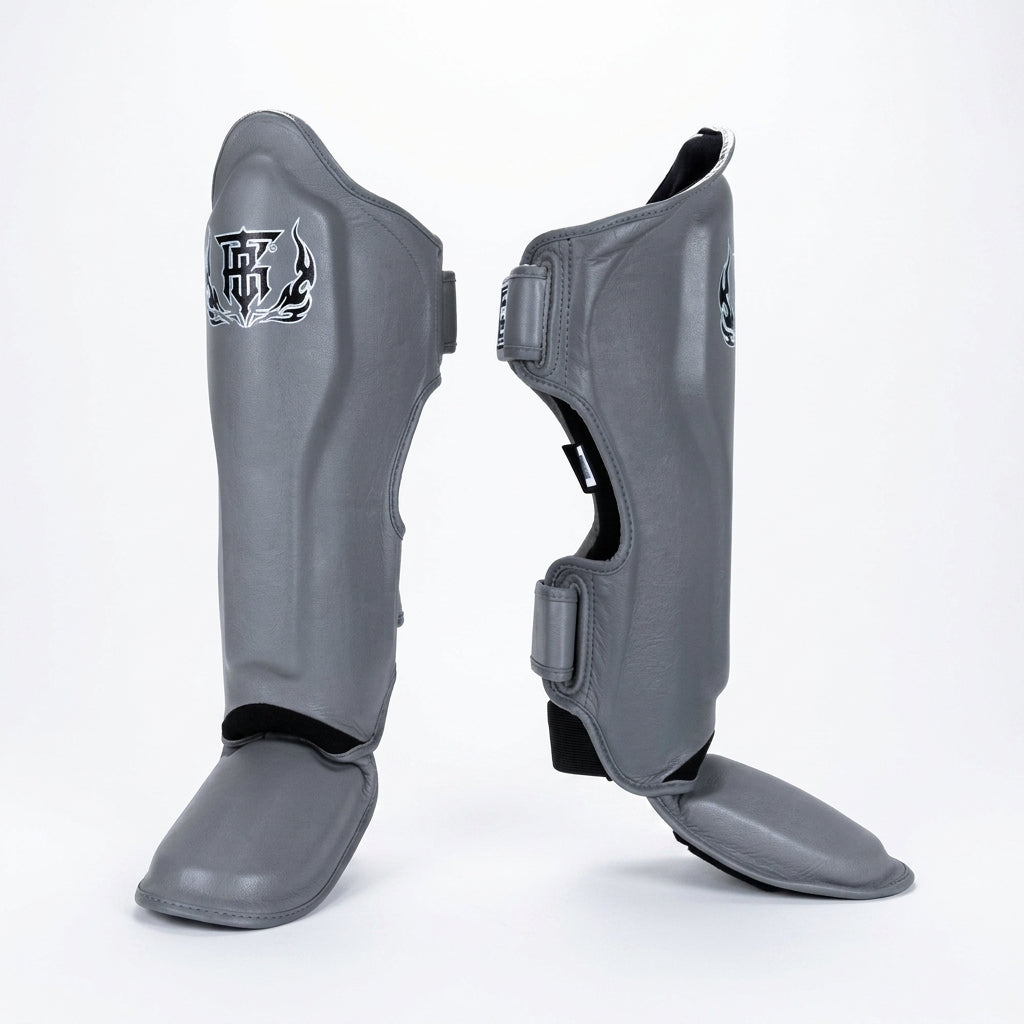

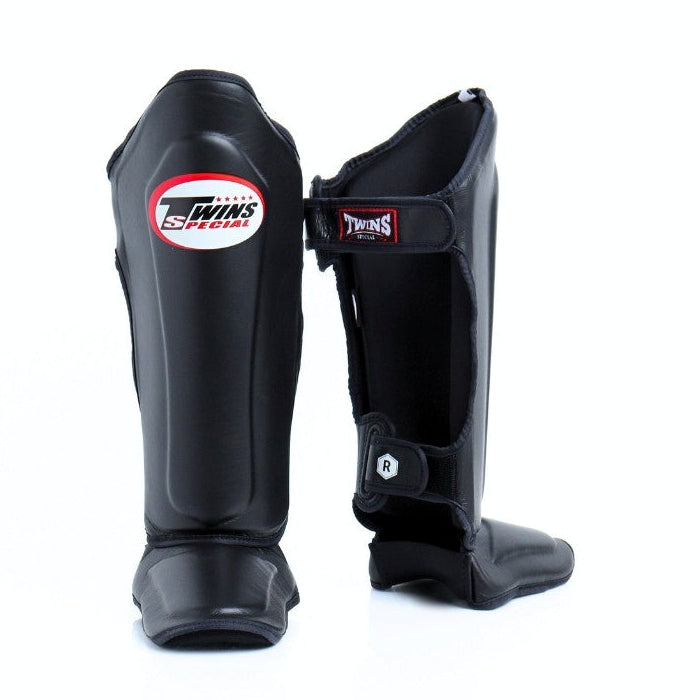
Choose Muay Thai shin guards by shin and instep coverage, secure closure and comfortable movement. Use the exact model’s size chart as a starting point, then check alignment and movement; the same size label can fit differently between brands.
Shin guards are one of the most important pieces of protective gear in Muay Thai, kickboxing and striking-based MMA training. The right pair should protect the shin and instep without constantly rotating, sliding down or restricting your movement.
The mistake many beginners make is buying shin guards based only on brand or appearance. Fit, coverage, closure design, padding profile and how you actually train matter more.
A properly fitted shin guard should cover the front of the shin from below the knee toward the ankle while keeping the protective padding centered over the tibia. The instep section should cover the top of the foot without interfering excessively with ankle movement.
The guard should feel secure when you kick, check and move laterally. If it constantly rotates around your calf, the fit is too loose or the shape is not right for your leg.
Two shin guards labeled the same size can fit very differently. Some brands use wider shin shells, some use narrower profiles, and some build more aggressively shaped instep sections.
This is why size charts should be treated as a starting point rather than a perfect guarantee. Your height, shin length, calf circumference and preferred fit all matter.
Material affects feel, durability, break-in and maintenance. Genuine leather shin guards are popular with serious Muay Thai athletes because they can mold well over time and typically hold up well when properly cared for. High-quality synthetic materials can also perform very well and may require less maintenance.
The more important question is whether the guard uses secure stitching, durable straps, well-positioned padding and a shape that stays centered during training.
Good shin guards should spread impact across the front of the shin rather than relying on one thin layer of padding. Thick multi-layer foam systems are common in premium Thai-style guards because they need to handle repeated kicks and checks during sparring.
More bulk is not automatically better. Excessively bulky guards can feel awkward during fast combinations. The best design balances impact protection with mobility.
A Muay Thai shin guard should not protect only the shin. The foot and instep are frequently exposed during kicks, blocks and accidental collisions.
A well-designed instep pad should stay aligned with the foot while still allowing enough ankle movement to kick naturally.
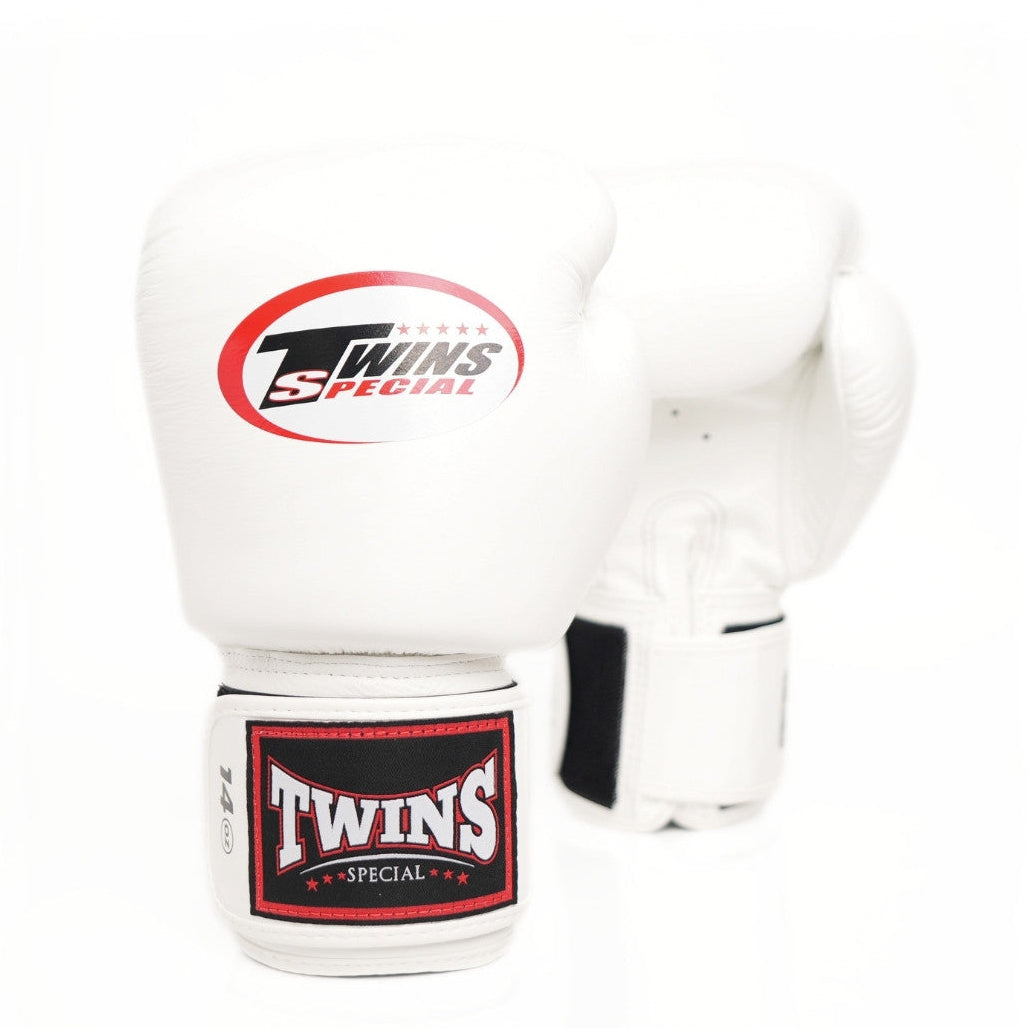
Striking Supply carries multiple Twins Special shin guard models built for Muay Thai and kickboxing, including the SGL-10 platform and several patterned FSGL10 variations.
View Twins Special SGL-10 Shin Guards

Top King is another established Thai brand known for substantial shin and instep coverage. Striking Supply carries multiple Top King options, including genuine-leather training models and several design variations.
View Top King Pro Genuine Leather Shin Guards

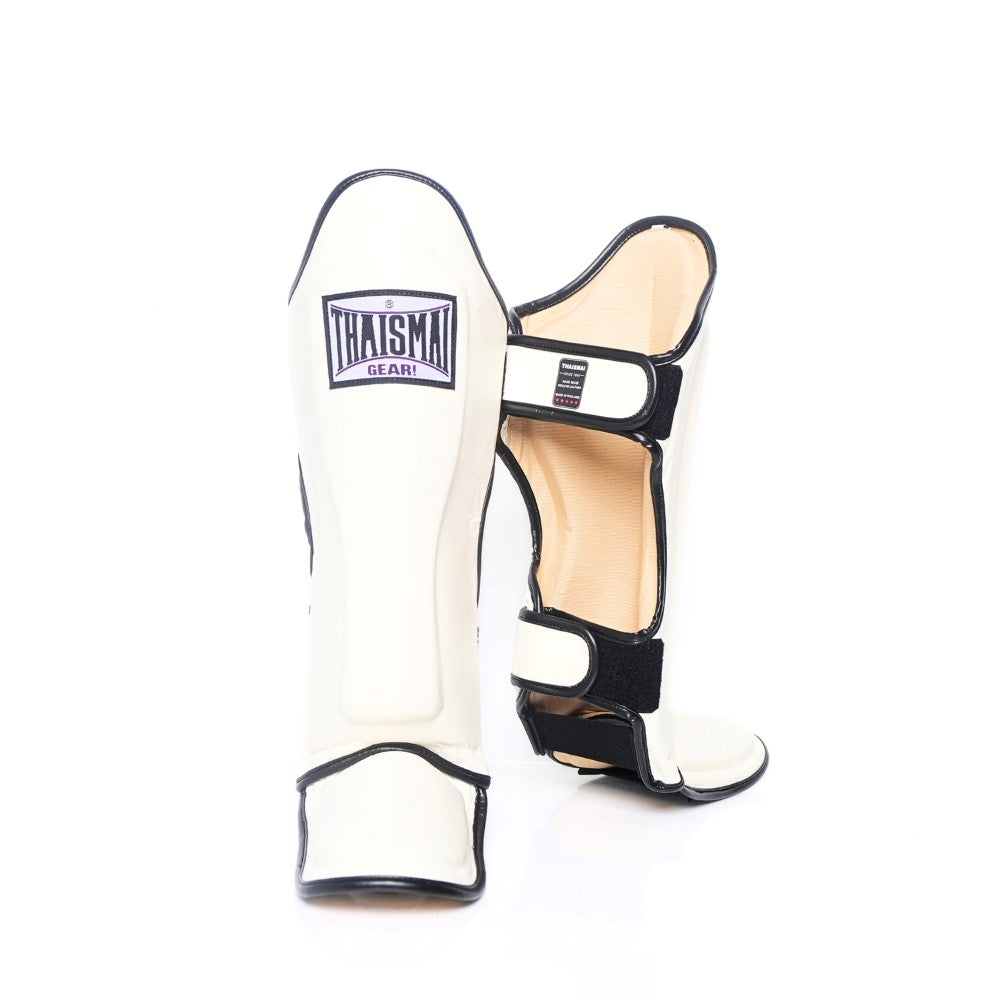
ThaiSmai shin guards are another option for fighters who want traditional Thai-style leg protection with multiple color choices and full shin-to-instep coverage.
View ThaiSmai LP184 Shin Guards
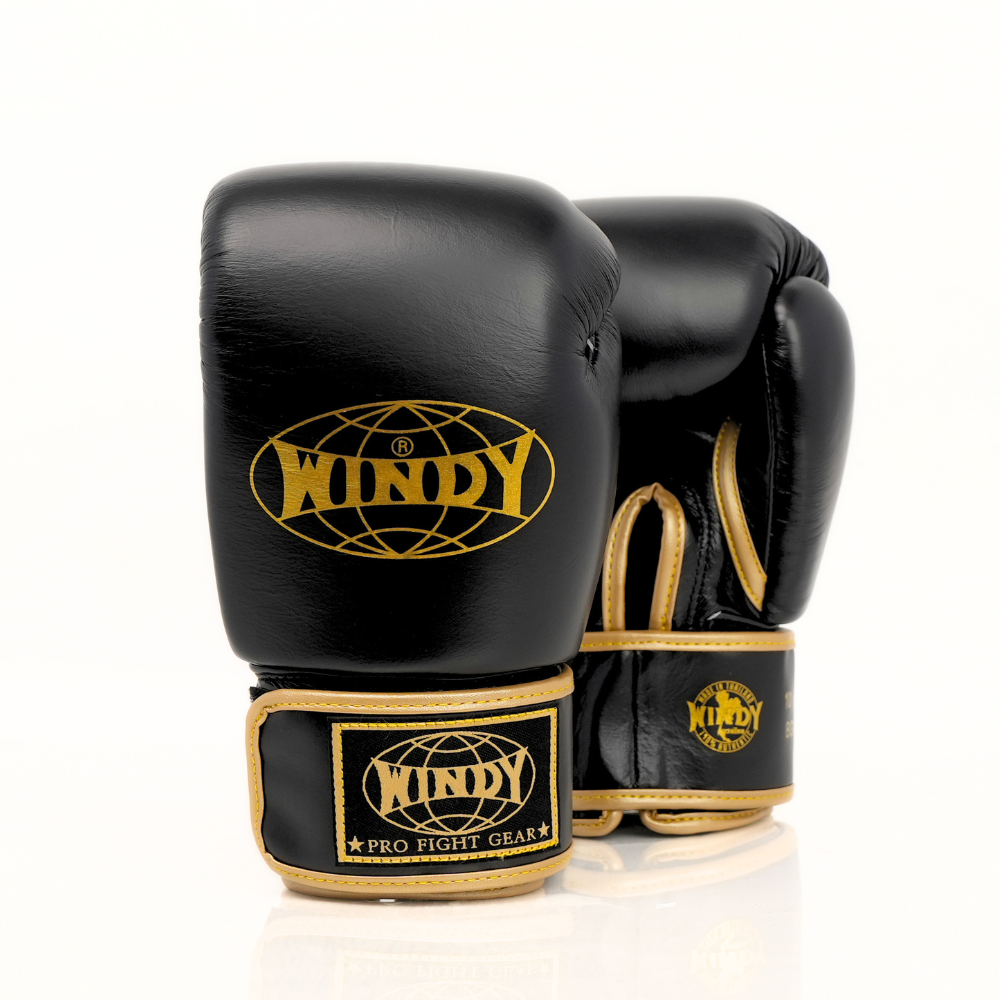
Windy is a long-established Thai fight brand and another strong choice for Muay Thai athletes who want traditional shin-and-foot protection.
View Windy LP3 Muay Thai Shin Guards
For regular Muay Thai sparring, prioritize coverage, secure straps, stable positioning and enough padding to protect both training partners. Very thin competition-style protection may feel fast, but it is not always the best choice for repeated gym sparring.
The guard should stay centered when checking kicks and should not require constant adjustment between rounds.
Secure, but not restrictive. The straps should prevent the guard from rotating while still allowing normal circulation and ankle movement.
If your feet become numb, the straps are likely too tight. If the shin shell spins to the side during kicks, the guard is too loose or the fit is wrong.
Most traditional Muay Thai shin guards stop below the knee rather than covering the kneecap itself. The upper edge should sit high enough to protect the top of the shin but low enough that you can bend the knee comfortably.
You can, but the experience is different. Some MMA-oriented shin guards use a sleeve-style construction designed to stay tight during grappling transitions. Traditional Muay Thai guards usually provide more structured shin and instep padding for striking rounds.
If most of your training is stand-up sparring, traditional Muay Thai shin guards are generally the more natural choice. If you regularly mix striking with grappling, a more streamlined MMA design may make sense.
That depends on how often you train, the material, sweat exposure and how you care for them. Wipe them down after training, allow them to dry completely, and never leave them sealed in a damp gym bag for long periods.
Replace shin guards when the foam becomes badly compressed, stitching begins to fail, straps lose their grip or the guard no longer stays correctly positioned.
Choose based on fit first. Then compare coverage, padding profile, material, strap placement and how the guard feels when you kick and check.
For most fighters, a traditional Thai-style shin guard from an established manufacturer such as Twins Special, Top King, ThaiSmai, Windy or Fairtex is a strong place to start.
The best shin guard is not the one with the biggest logo or thickest-looking foam. It is the one that stays correctly positioned, gives you enough protection for your training and disappears mentally once the round starts.
They should be snug enough that they do not rotate, but not so tight that they restrict circulation or ankle movement.
Start with the manufacturer's size chart, then consider your shin length, calf circumference and preferred coverage. Two athletes of the same height can still need different sizes.
No. The instep section should protect the top of the foot while still allowing natural movement of the toes and ankle.
Leather can offer excellent durability and break-in characteristics, but high-quality synthetic guards can also perform very well. Construction quality and fit matter more than material alone.
Yes. Traditional Thai-style shin guards work well for both sports when the fit and protection are appropriate for your gym's training.