Cart
0
YOU MAY ALSO LIKE
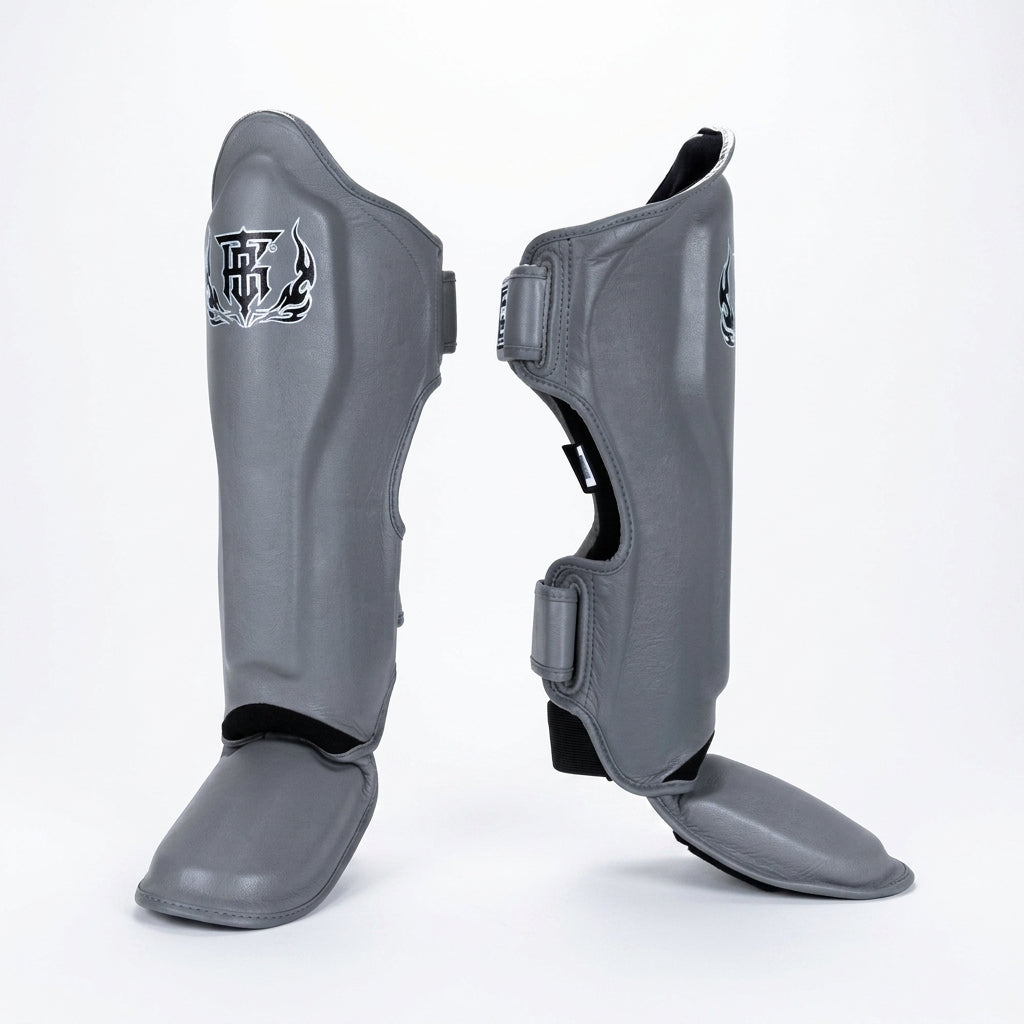

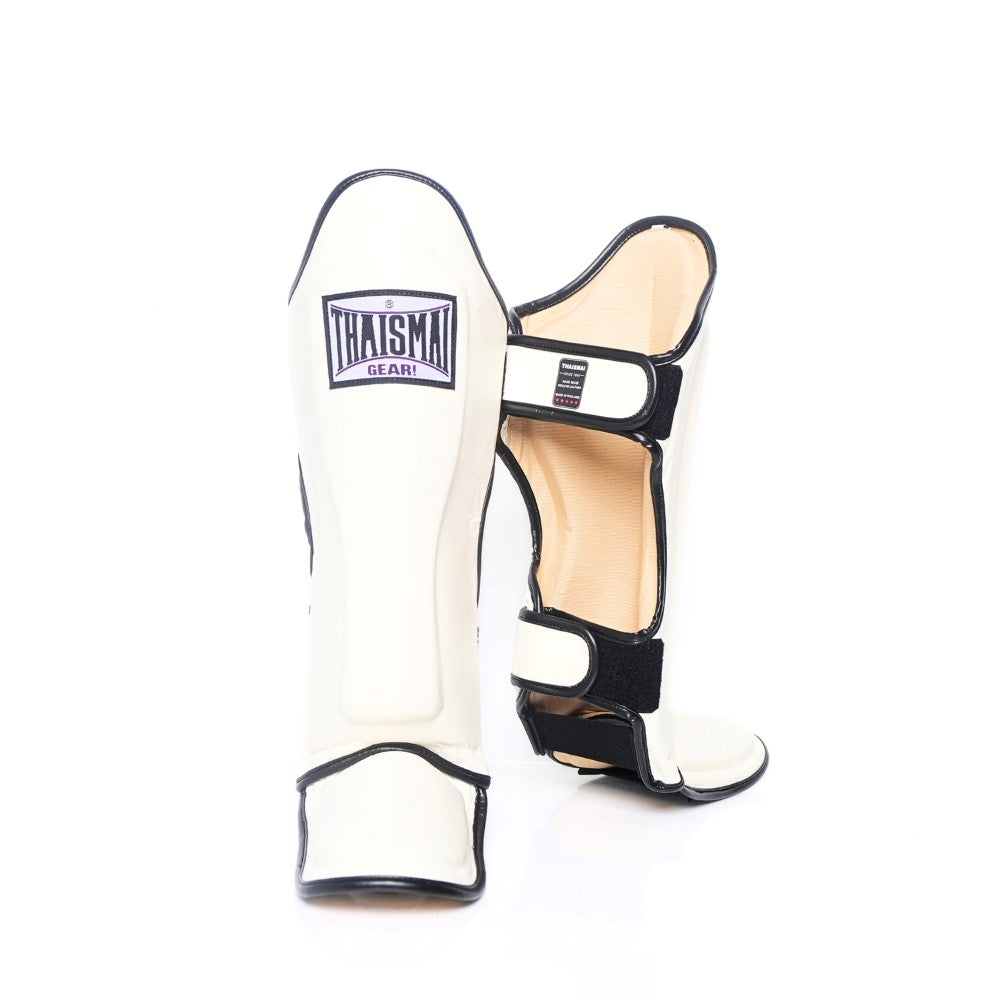
Check five points: the top edge below the knee, a centered shin pad, instep coverage, strap fit and movement. The guard should remain aligned without digging into the knee or restricting ankle movement. Height alone does not determine fit.
If your shin guards rotate every time you kick, press into your knees, or leave most of your instep exposed, the problem may not be your technique. The guards may be the wrong size or shape for your legs.
Online size charts are a useful starting point, but they cannot account for every combination of shin length, calf size, ankle shape, and foot length. The final decision should come from how the guards cover and move on your body.
Use this five-minute check before removing tags or taking a new pair to class.
Stand naturally with the guard centered on the front of your shin. The top should protect the upper shin without covering the kneecap or digging into the knee crease.
Now bend your knee and raise it as if throwing a knee strike. If the guard jams into the kneecap or makes the movement awkward, it may be too long or positioned too high.
Too short is also a problem. A large gap below the knee can expose the upper part of the shin—the same area that may make contact during kicks and checks.
The protective ridge should sit over the front of the tibia rather than leaning toward the inside or outside of the leg. The side wings should wrap the shin without leaving the main impact area uncovered.
Do not solve poor alignment by overtightening the straps. If the pad starts centered but immediately pulls sideways, the size or cut may not match your calf.
The foot pad should sit over the top of the foot and protect the instep. Your toes should remain free so you can balance, pivot, and grip the mat.
Watch for two opposite problems:
The ankle connection should move naturally when you point and flex your foot. A little movement is normal; a large gap or constant folding is not.
Fasten the calf straps so the guard is secure but not painfully tight. The closure should have enough contact to hold during movement without being stretched to its limit.
Signs of a poor fit include:
A properly fitted guard should feel snug. It should not require you to cut off circulation just to keep it facing forward.
Do not judge shin guards while standing still. On a clean indoor surface, try the movements you will use in class:
The guard should remain centered with only minor adjustment. If it rotates significantly, blocks your knee bend, slides toward your ankle, or pulls the foot pad off your instep, try a different size or model.
Sparring shin guards are protective equipment, so some bulk is normal. The goal is not to make them disappear; it is to keep the padding in the right place while you move.
Do not choose thin competition-style guards for regular partner sparring unless your gym specifically allows them. Sparring equipment should match the session and your coach's rules.
Height can narrow the range, but it should never be the only measurement. Two people at the same height can have different shin lengths and calf circumferences.
Measure:
Then compare those numbers with the size chart for the exact model. Do not assume that a medium from one brand fits like a medium from another.
We carry several models in sizes from small through extra large, including:
Rather than buying by logo alone, compare the correct model's measurements with your leg, then run the five checks above as soon as the pair arrives.
The right shin guard covers the working length of your shin, keeps the instep pad over your foot, stays centered during kicks and checks, and does not interfere with your knee or circulation.
When in doubt, bring the guards to your coach before hard drilling or sparring. Five minutes of checking the fit can save weeks of tugging the guards back into place between every round.
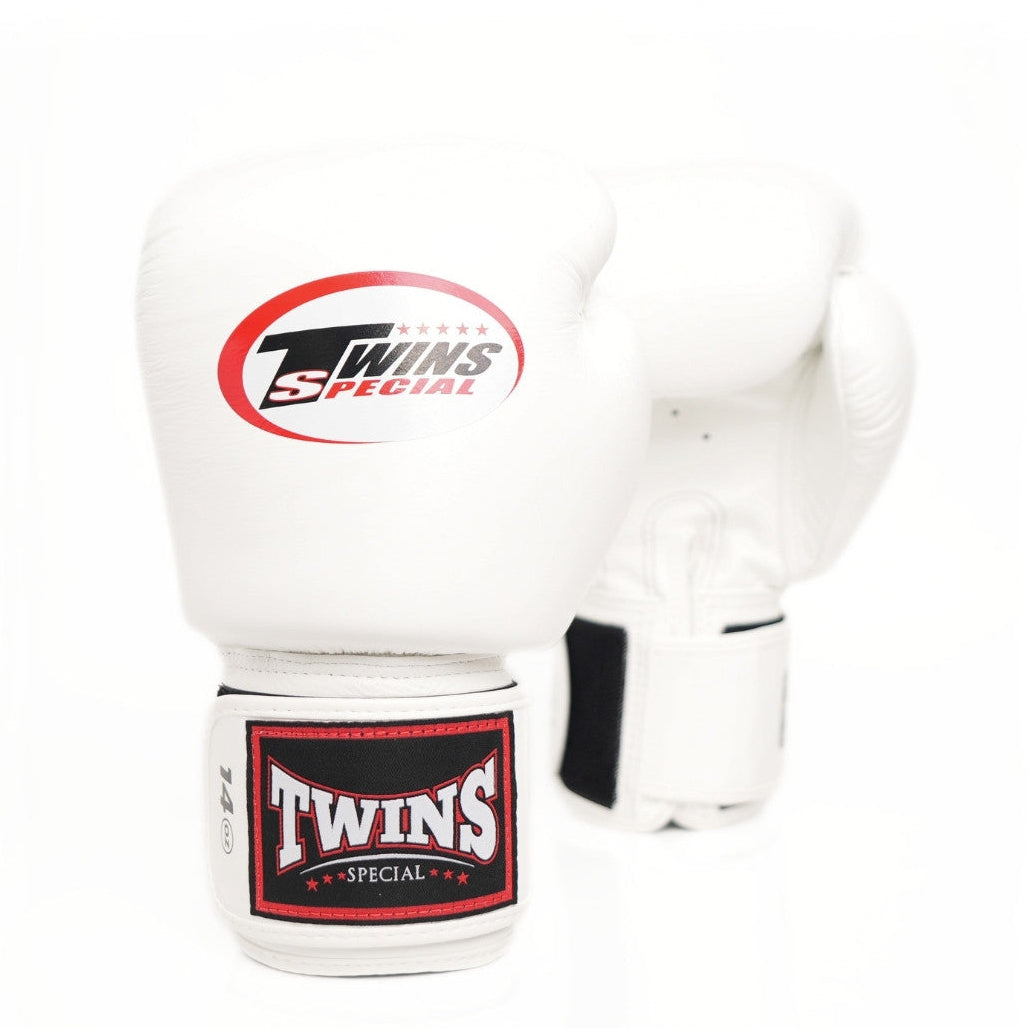
Compare THAISMAI LP184, Top King, Twins Special, and Windy shin guards at Striking Supply. Measure first, check the exact model's size guide, and choose the pair that stays put on your legs—not simply the size you usually wear.