Cart
0
YOU MAY ALSO LIKE


Boxing glove ounce labels describe weight, not simply hand size. Choose by training purpose, model fit and your gym’s rules: 10–12 oz are commonly used for bags and pads, while 16 oz is a common adult sparring weight. Requirements vary by coach and gym.
If you have ever looked at boxing or Muay Thai gloves and wondered whether you should buy 10 oz, 12 oz, 14 oz or 16 oz, you are not alone. The number on the glove refers to its approximate weight—not simply the size of the hand compartment. The right choice depends mostly on how you train.
| Glove Weight | Common Use |
|---|---|
| 8 oz | Competition, speed-focused pad work, smaller athletes |
| 10 oz | Bag work, pads, some competition |
| 12 oz | Bag work, pads, general training |
| 14 oz | General training, heavier bag work, some controlled sparring depending on gym rules |
| 16 oz | Common adult sparring weight and general training |
| 18 oz+ | Heavyweight sparring or conditioning in some gyms |
Important: these are general guidelines. Your coach, gym or sanctioning body can require something different.
“Oz” means ounces. As glove weight increases, manufacturers generally use more material and padding, but the way that padding is distributed varies by model. Two 16 oz gloves can therefore feel completely different.
One may have a compact hand compartment and dense padding. Another may feel larger, softer and more rounded. This is why choosing the correct glove means looking at both weight and construction.
Shop the Fairtex BGV16 Compact Size Boxing Gloves, available in multiple ounce options.

8 oz gloves are light and fast. They can make sense for pad work, speed-focused sessions, certain competitions and smaller athletes, but they are usually not the first choice as an adult's only training glove—especially if regular sparring is part of the plan.
10 oz gloves are popular for bag and pad work because they are relatively compact and provide direct feedback on punches. Fighters who already own dedicated sparring gloves often like a 10 oz pair for heavy-bag rounds, Thai pads, focus mitts and technical combinations.
12 oz is a versatile middle ground for many recreational fighters. It is still quick enough for pads and bag work while offering more weight than a 10 oz glove. If your training is mostly heavy bag, pads, drilling, fitness boxing or Muay Thai combinations, 12 oz can be a practical option.
14 oz is one of the most flexible general-training weights. It gives you more glove than a 10 or 12 oz model without feeling as substantial as a 16 oz glove. For someone buying one pair primarily for training rather than hard sparring, 14 oz can be a useful compromise.
16 oz gloves are commonly used for adult sparring because heavier versions of the same training glove generally contain more material than lighter versions. That said, the number “16 oz” does not automatically make a glove soft or partner-friendly. Foam density, padding distribution, glove age and construction all matter.
A heavily worn 16 oz glove can be a poor sparring glove. This is one reason serious fighters often keep a separate pair for sparring.
You can, but separating them is usually the better long-term setup. Repeated heavy-bag work compresses glove padding. If you train frequently, consider having one pair for bag and pad work and another pair reserved for sparring.
Bodyweight matters, but it should not be the only variable. Consider your training purpose, hand size, punching power, gym rules, glove fit and the exact model you are buying. A bodyweight chart can be a starting point, but it should not replace your coach's requirements.
Weight is only one part of the decision. Muay Thai gloves often prioritize a design that works for punching, clinching and catching kicks, while boxing-focused gloves may use different cuff and wrist-support systems. Neither is automatically better.
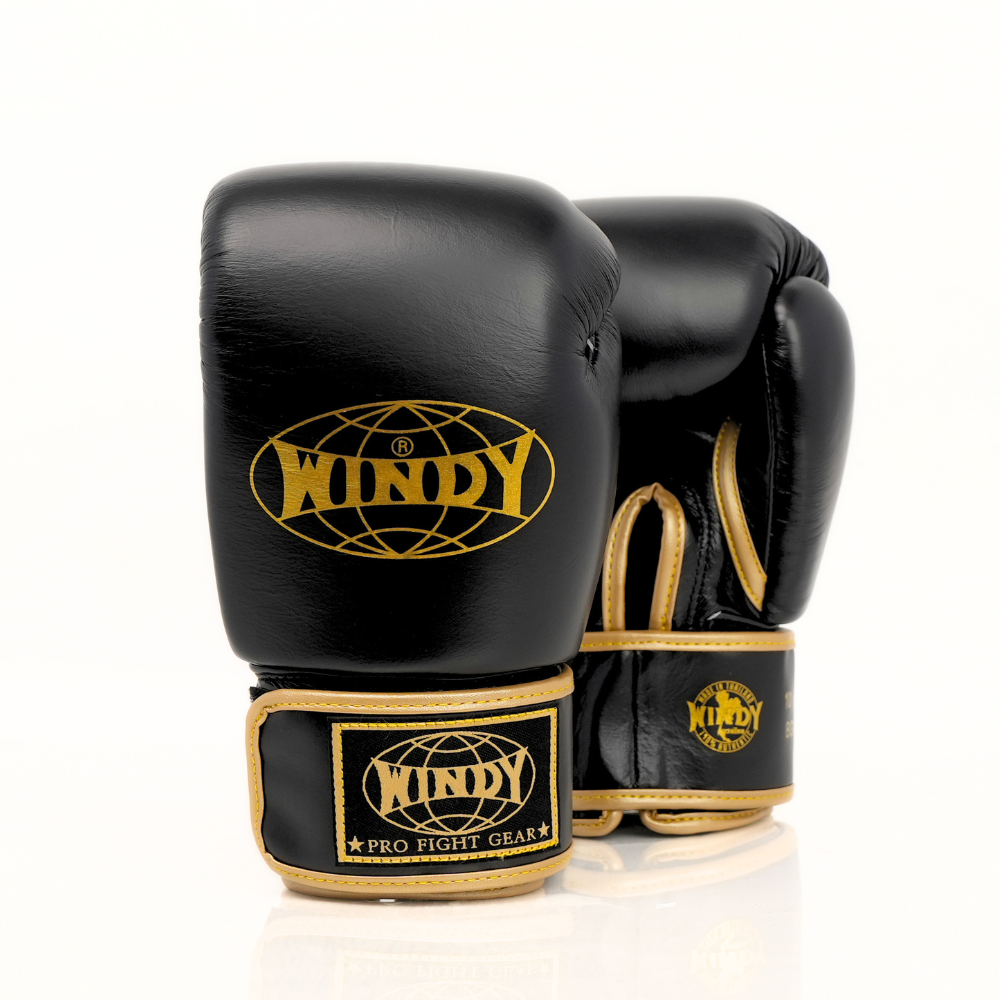
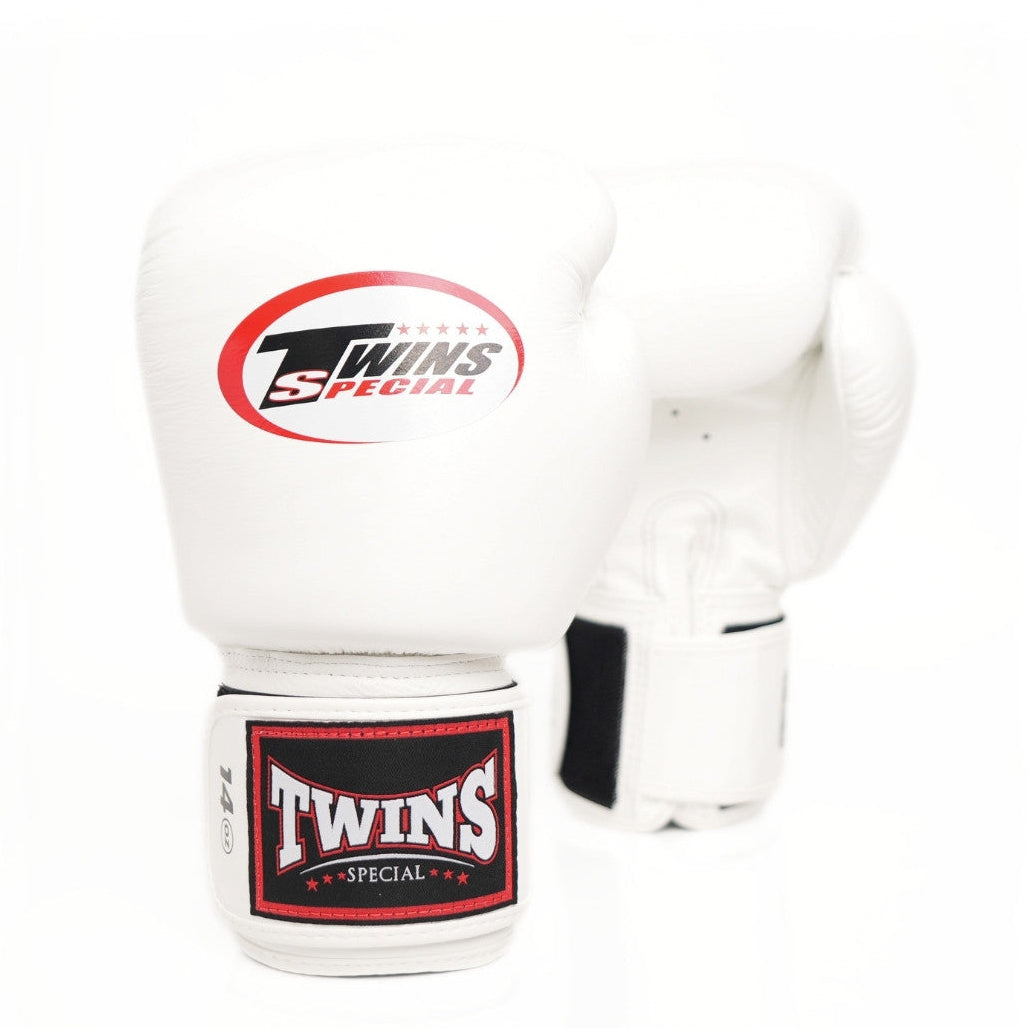
Striking Supply's current live glove selection includes Twins Special, Windy, Thaismai, Top King and Arwut. Compare the exact model's fit and intended use, and check the available options on its product page.
For a beginner buying one pair for general training, 12–14 oz is often a practical starting range if your coach agrees. For dedicated bag and pad work, 10–12 oz is common. For adult sparring, 16 oz is common, but your gym's rules always take priority.
Once you become more serious about training, owning separate bag/pad and sparring gloves is usually a better setup than forcing one pair to do everything.
Yes, they can be. A 12 oz glove is commonly used for general training, pads and bag work. If you plan to spar, ask your coach what your gym requires.
Some gyms may allow it in limited situations, but many adult programs require heavier gloves. Follow your gym's policy rather than relying on a universal online chart.
No. You can use 16 oz gloves on the bag, although many fighters prefer a lighter pair for sharper feedback and reserve their sparring gloves for partner work.
Neither is universally better. 10 oz offers a lighter, more compact feel; 12 oz adds some weight. Good technique, proper wraps and quality glove construction matter more than the two-ounce difference alone.